Course Offers
Three disciplines taught as one curriculum: IV moderate sedation, implantology and the WISE methodology of extractions.

The WISE and Zen Philosophy
The objective of IV sedation education in dentistry is to integrate scientific knowledge, clinical judgment, and practical skills to provide individualized, compassionate care.
Through WISE (Wisdom Implant Sedation Education), practitioners develop a thorough understanding of six foundations.
Chemistry
Understanding the chemical properties of sedative agents, their compatibility, and their interactions at the molecular level.
Physiology
Understanding how sedation affects the respiratory, cardiovascular, and nervous systems, and how each patient’s underlying conditions influence their response.
Pharmacology
Understanding drug mechanisms, appropriate dosing, onset, duration, metabolism, adverse effects, interactions, and the indications and limitations of reversal agents.
Mathematics
Applying accurate calculations for weight-based dosing, medication concentrations, dilutions, and infusion rates while accounting for patient-specific factors.
Practical Application
Combining assessment, careful titration, continuous monitoring, emergency preparedness, and recovery evaluation. The intended endpoint is moderate sedation: patients remain capable of purposeful responses to verbal commands or light touch, with adequate spontaneous ventilation and generally maintained cardiovascular function. Providers must be prepared to recognize and rescue patients who become more deeply sedated than intended.
Etiology & Individualized Care
Understanding the underlying causes of anxiety, pain, and physiologic stress, together with the patient’s medical history, medications, and treatment needs, to guide appropriate sedation decisions.
Dynamic balance through Yin and Yang
Zen IV Moderate Sedation adds a philosophy of calm awareness, intentional action, and continuous attention to the patient’s changing condition. Drawing on the Yin and Yang framework, it describes the balance between relaxation and responsiveness, comfort and physiologic stability.
These concepts serve as an educational metaphor; clinical decisions remain grounded in established physiology, pharmacology, monitoring, and evidence.
The practitioner’s role is to observe, interpret, and respond thoughtfully, recognizing that each patient has a unique response to sedation. Balance is achieved through individualized care and careful titration, rather than a fixed medication combination or an assumption that opposing drugs cancel each other’s risks.
Within WISE, the Zen philosophy brings these principles together: scientific understanding, precise calculation, mindful observation, and compassionate care. The goal is to reduce fear and facilitate dental treatment while maintaining the intended depth of sedation and supporting a safe return to the patient’s baseline.
Zen is the art of attentive balance; science provides the foundation for every clinical decision.
Plan safely, place precisely
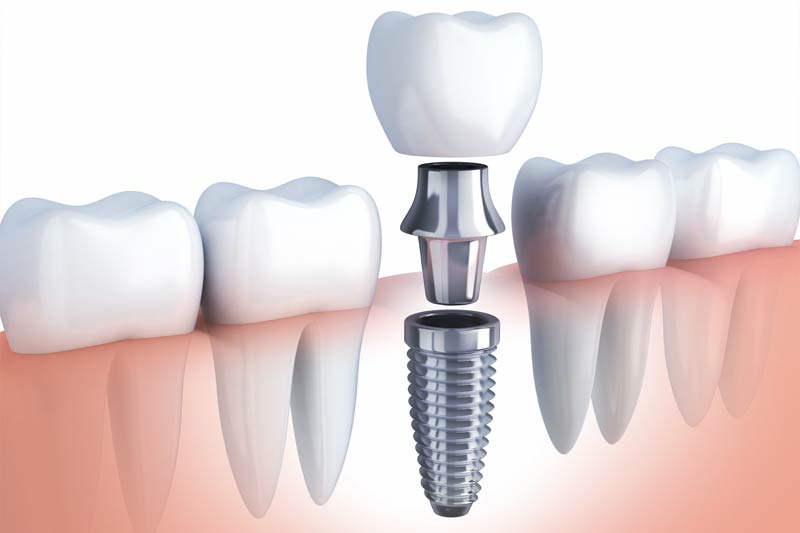
The objective of the implantology course, as part of Wisdom Implant Sedation Education (WISE), is to equip participants with the foundational knowledge and practical skills necessary to perform dental implant procedures safely and effectively. The course focuses on:
Basic Fundamentals of Implantology
Understanding key principles such as bone anatomy, osseointegration, implant systems, and patient selection to ensure a strong foundational grasp of implantology.
Safe Treatment Planning
Learning to develop individualized, risk-assessed treatment plans for implant cases by analyzing diagnostic tools like radiographs and CT scans, ensuring predictable and safe outcomes.
Complication Management
Building the skills needed to anticipate, manage, and resolve potential complications during implant procedures, including addressing surgical risks and ensuring post-operative care for successful healing.
Clinical Implant Placement in Live Patients
Gaining hands-on experience by placing implants in live patients, under supervision, to master surgical techniques, enhance precision, and ensure both functional and aesthetic success.
This course is designed to prepare practitioners to confidently plan and execute implant treatments while prioritizing patient safety, complication management, and clinical excellence.
The WISE methodology
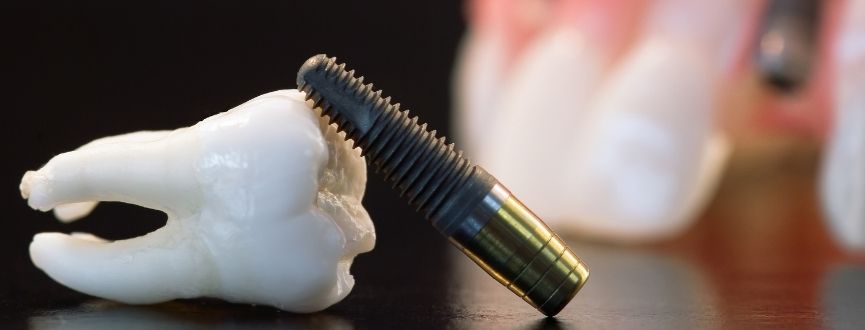
The objective of the course, as part of the WISE curriculum, is to teach participants the WISE methodology of dental extractions, focusing on the following key areas:
Mechanics and Physics of Extraction
Understanding the forces, principles, and tools involved in performing extractions efficiently while minimizing trauma to surrounding tissues.
Complication Management
Learning to anticipate and address potential complications during extractions, such as fractures, bleeding, or adjacent tooth damage, to ensure patient safety and comfort.
Clinical Application
Applying this knowledge in clinical practice through hands-on experience, allowing practitioners to perform extractions with confidence, precision, and adherence to the highest standards of care.
This course prepares participants to integrate the WISE methodology into their clinical workflows, ensuring optimal patient outcomes in both routine and complex extraction cases.
Become a wiser, more proficient clinician
By mastering these three essential skill sets (implantology, sedation, and the WISE methodology of extractions) you position yourself among the top 5% of your colleagues in dentistry. Not only will you advance your clinical expertise, but you'll also elevate your practice to a higher standard. This holistic approach enhances your technical abilities and deepens your understanding of patient care, allowing you to lead with confidence and precision in your field.
Enquire About a Course Meet the Faculty